Cruise ships operate as large floating resorts, often carrying thousands of passengers while traveling through multiple countries and international waters.
While most cruise vacations proceed without incident, accidents and injuries can sometimes occur onboard due to wet deck surfaces, stairway hazards, recreational attractions, or shore excursions.
Passengers who experience an injury on a cruise ship often search for information about how to report the incident, what medical care may be available onboard, and what steps may help document the circumstances surrounding the accident.
This guide explains common steps passengers may consider after a cruise ship accident, including reporting the incident to crew members, seeking medical evaluation, documenting the accident location, and understanding how cruise ship injury incidents are typically handled.
Passengers who experience an accident on a cruise ship often take several important steps soon after the incident occurs.
• report the incident to cruise ship crew members
• request medical attention at the ship’s medical center
• document the location where the accident occurred
• photograph hazardous conditions if possible
• obtain names of witnesses or nearby passengers
• keep copies of medical records or incident reports
These steps can help ensure the incident is properly documented while still onboard the ship.
One of the most important steps you can do after a cruise ship incident is take photos of the scene of the accident!
This is one of the most overlooked steps after a cruise ship injury.
Cruise ships contain numerous passenger areas where large numbers of travelers gather throughout the day. Pools, restaurants, entertainment venues, recreational attractions, and shore excursions all create environments where accidents can sometimes occur.
Some of the factors that may contribute to cruise ship accidents include:
• wet or slippery deck surfaces near pools or spas
• spills or food debris in buffet dining areas
• uneven flooring transitions or damaged walking surfaces
• poor lighting in stairways or hallways
• overcrowded entertainment venues
• improperly maintained recreational attractions
• rough sea conditions affecting passenger balance
• unsafe conditions during shore excursions
Because cruise ships carry thousands of passengers at once, high-traffic areas such as pool decks, buffet restaurants, stairways, and attraction areas may experience the highest levels of passenger movement.
Passengers involved in accidents on cruise ships often report the incident to a crew member, guest services representative, or ship officer. Cruise lines typically maintain internal procedures for documenting passenger incidents that occur onboard.
Incident reports may include details such as the location of the accident, time of the incident, witness information, and descriptions of the conditions present at the scene.
Passengers sometimes research how cruise ship incident reports work after experiencing slip and fall accidents, pool deck injuries, stairway falls, or attraction incidents.
Common reporting steps may include:
• Informing a crew member or supervisor
• Visiting the guest services desk
• Requesting an incident report
• Identifying the location where the incident occurred
Reporting procedures may vary depending on the cruise line and the circumstances surrounding the incident.
Simply “telling” a crewmember about an injury is usually not sufficient to put the cruiseline on notice regarding the incident. The correct step is usually filling out an incident report on the vessel. Make sure you ask for a copy (or take a photo of what you fill out).
Most modern cruise ships operate onboard medical centers staffed by physicians and medical personnel. These medical facilities are designed to provide evaluation and treatment for passengers who experience injuries or illnesses during a voyage.
Passengers who are injured on a cruise ship may receive initial treatment at the ship’s medical center before additional care is provided at a hospital in a port destination if necessary.
Travelers researching cruise ship injuries often look for information about:
• medical evaluation at the ship’s medical center
• treatment for slip and fall accidents or recreational injuries
• emergency medical response procedures at sea
• medical evacuation procedures from cruise ships
• coordination with hospitals at port destinations
Medical documentation created during onboard treatment may become part of the incident record.
Passengers sometimes document the location where an accident occurred when it is safe to do so. Photographs or notes may help clarify the conditions present at the time of the incident and may provide useful context when reviewing how the accident happened.
This may include:
• taking photos of wet deck surfaces
• photographing warning signs or lack of signage
• documenting damaged flooring or obstacles
• recording lighting conditions in stairways or hallways
Documenting conditions present at the time of the incident may help clarify how the accident occurred. This is an important step, especailly because getting back on the vessel may not be possible once disembarkation occurs.
Passengers who experience injuries during a cruise sometimes keep records related to medical treatment and expenses associated with the incident. Documentation may help clarify the circumstances of the injury and provide a timeline of the care received following the accident.
If medical treatment is provided onboard, cruise ship medical staff may create records describing the evaluation, treatment provided, and recommendations for follow-up care.
Passengers may also receive medical care after the cruise if additional treatment is required once the ship reaches port.
Travelers researching cruise ship accidents often look for information about documenting medical care and keeping records related to expenses following an onboard injury.
Passengers sometimes keep records such as:
• medical evaluations performed at the ship’s medical center
• written medical reports or treatment summaries
• prescriptions or recommended follow-up care
• medical treatment received after the cruise
• travel changes caused by the injury
• additional expenses related to medical care or accommodations
Keeping organized records related to medical care and expenses may help passengers better understand the full impact of an incident and the treatment that was required following a cruise ship accident.
Passengers researching cruise ship injuries often review medical documentation and treatment records when evaluating the circumstances surrounding an accident. These records may provide important context regarding the nature of the injury and the care provided both onboard and after the cruise.
Cruise ship passengers often research their rights following an onboard injury or accident. These questions may involve cruise line reporting procedures, onboard medical treatment, and passenger safety policies.
Cruise ship accidents may involve legal frameworks that differ from typical land-based incidents. Cruise lines operate under maritime law and passenger ticket contracts that may contain provisions related to reporting incidents, time limits for claims, and where certain cases may be filed.
Passengers researching cruise ship injuries often look for information about cruise passenger rights, accident reporting procedures, and how incidents may be handled under maritime law.
Cruise ship incidents may occur in areas such as:
• pool decks
• stairways
• buffet restaurants
• water attractions
• recreational areas
• shore excursions
Passengers frequently look for information about cruise ship accident procedures, passenger safety policies, and how incidents are handled by cruise operators.
If you were injured on a cruise ship, you may wish to explore your options with a law firm experienced in maritime injury cases.
Request a Free Case ReviewCruise ships operate under a legal framework that differs from many land-based environments.
Passengers researching cruise ship injuries frequently explore topics such as:
• Cruise ticket contract provisions
• Where cruise passenger cases may be filed
• Time limits that may apply to claims
• Differences between onboard incidents and shore excursions
These factors can make cruise ship injury matters different from typical accidents on land.
Passengers researching cruise injuries often look into specific accident types such as:
• cruise ship slip and fall accidents on wet decks
• pool deck accidents involving slippery walking surfaces
• stairway falls on interior or exterior ship staircases
• waterslide or onboard attraction injuries
• FlowRider surf simulator accidents
• miniature golf course trip and fall incidents
• buffet restaurant slip hazards
• tender boat boarding accidents
• balcony or railing incidents
• shore excursion accidents
• private island activity injuries
You can learn more about these topics in our detailed guides:
• Cruise Ship Slip and Fall Accidents
• Cruise Ship Pool Deck Accidents
• Cruise Ship Waterslide Injuries
• Cruise Ship Shore Excursion Accidents
Additional educational resources include:
• Cruise Ship Slip and Fall Accidents
• Cruise Ship Pool Deck Accidents
• Cruise Ship Waterslide Injuries
• Cruise Ship Excursion Accidents
• Tender Boat Boarding Accidents
• Flowrider Accidents
• Minature Golf Course Accidents
• Sexual Assaults
• Zip-line Accidents
• Private Island Accidents
Passengers who experience a serious injury during a cruise sometimes choose to speak with an attorney familiar with cruise passenger injury matters.
An experienced attorney can review the specific circumstances of an incident and discuss potential options.
Cruise ships contain numerous environments where passengers gather for recreation, dining, and entertainment. Certain areas onboard tend to experience higher levels of passenger activity and therefore may present a greater likelihood of accidents occurring.Common locations where cruise ship accidents may occur include:
• pool decks and hot tub areas
• stairways connecting passenger decks
• buffet restaurants and dining areas
• water slides and recreational attractions
• spas and locker rooms
• passenger cabin bathrooms
• balcony areas and railings
• tender boat boarding areas
• excursion departure docks
Wet surfaces, ship movement, and heavy passenger traffic may contribute to accidents in these environments.
Passengers who experience an accident on a cruise ship often report the incident to crew members, seek medical evaluation if necessary, and document the location where the incident occurred. Travelers sometimes also keep copies of medical records or incident reports created during onboard treatment.
Taking photos of the area of the incident is one of the most important things you can do after a cruise ship incident
Cruise ship accidents may involve maritime law and provisions contained within passenger ticket contracts. These provisions sometimes address reporting procedures, claim time limits, and where certain legal matters may be filed.
Cruise passenger injury cases are often filed in federal courts designated by the cruise line’s passenger ticket contract. Many major cruise lines designate courts in locations such as Miami for certain legal proceedings.
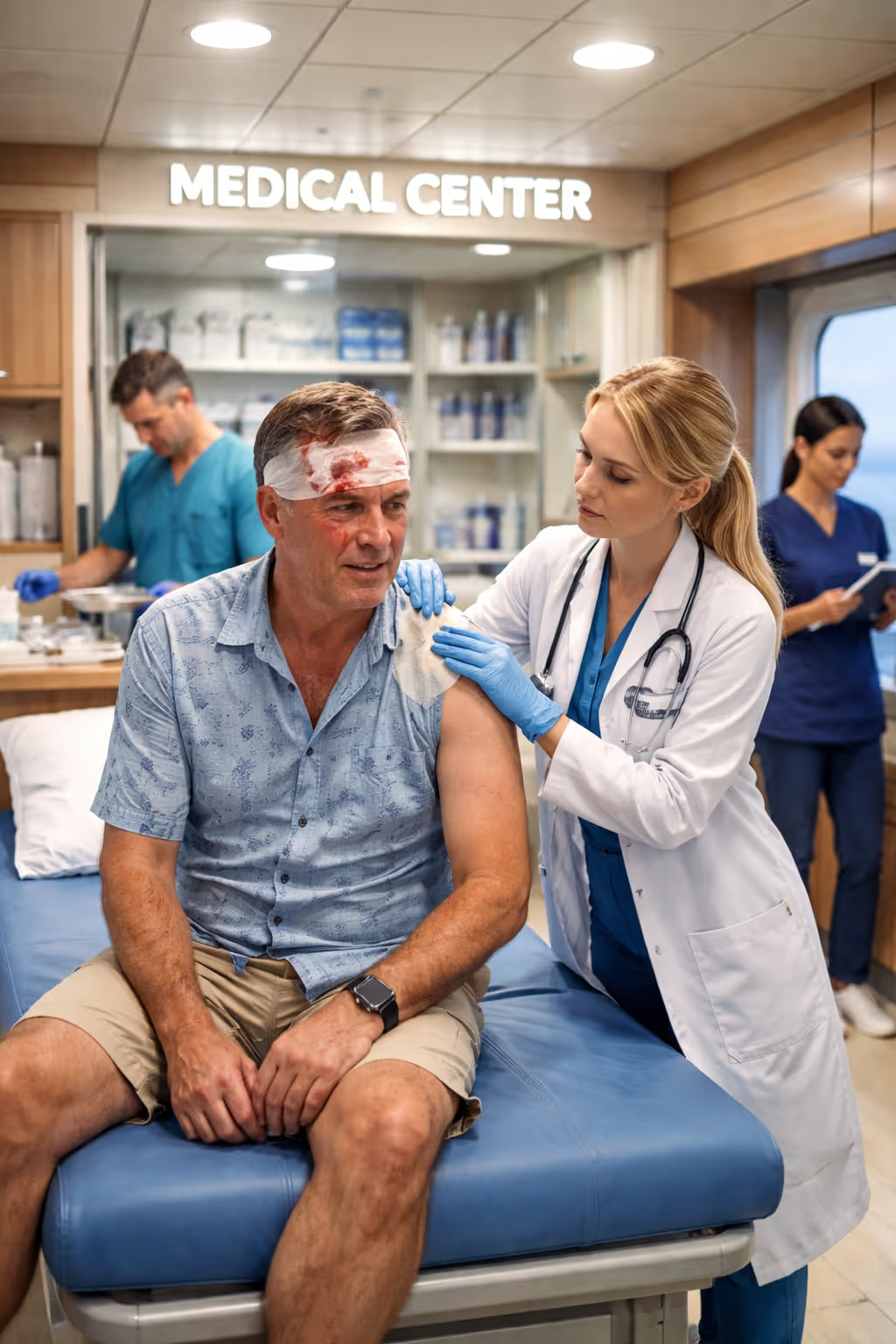
Cruise ship medical negligence can occur when onboard doctors misdiagnose injuries, delay treatment, or fail to evacuate passengers for emergency care. Learn how cruise ship medical malpractice happens and what injured passengers should know.
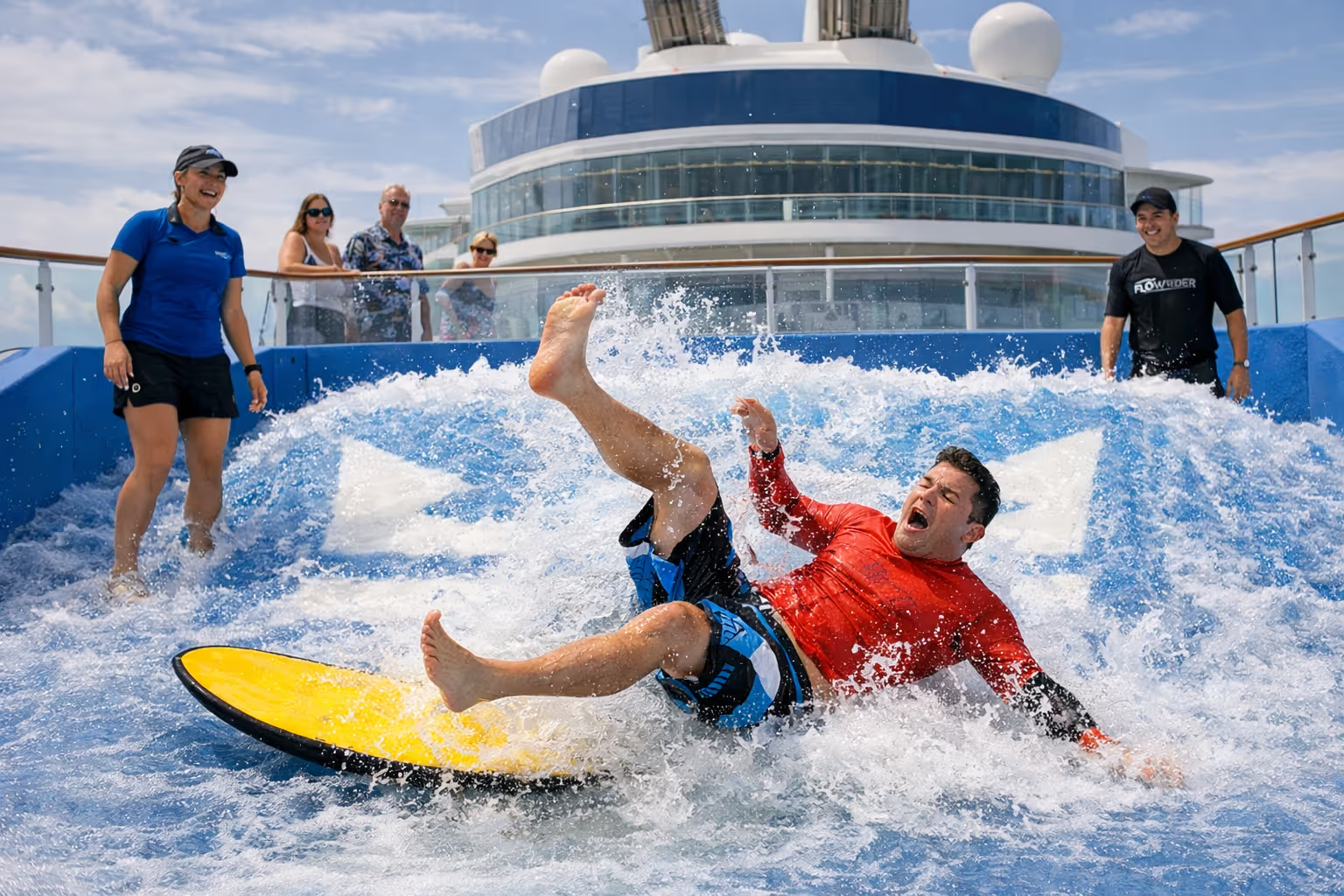
FlowRider surf simulators are popular attractions on many cruise ships, but falls can lead to serious injuries including fractures, head injuries, and spinal trauma. Learn how these cruise ship accidents happen and what passengers should know.

Certain areas of cruise ships present a higher risk for passenger accidents. Discover the most common locations where cruise ship injuries occur, including pool decks, stairways, recreational attractions, and tender boarding areas.
If you were injured on a cruise ship, you may wish to explore your options with professionals experienced in maritime injury cases.