Cruise ship pool decks are one of the most common locations for passenger injuries. Wet surfaces, constant foot traffic, and changing conditions at sea create a high-risk environment for slip and fall accidents.
If you were injured on a cruise ship pool deck, understanding how these accidents happen, and what steps to take next, can make a meaningful difference.
Slip and fall injuries on cruise ship pool decks are frequently reported by passengers across all major cruise lines. These incidents often involve wet surfaces, poor drainage, inadequate warnings, or unsafe deck conditions.
Searches like cruise ship slip and fall injury, pool deck accident cruise ship, and wet deck injury on cruise reflect how common these incidents have become.
• Wet and slippery surfaces from pools, spills, or rain
• Inadequate drainage causing standing water
• Worn or improperly maintained non-slip decking
• Lack of warning signs in hazardous areas
• Overcrowding during peak pool hours
• Sudden ship movement affecting balance
• Improper footwear policies or enforcement
Slip and fall accidents on cruise ship pool decks can result in serious injuries, including:
• Broken bones and fractures
• Head injuries and concussions
• Back and spinal injuries
• Shoulder, wrist, and ankle injuries
• Soft tissue damage and ligament tears
• Cuts, abrasions, and impact injuries
Even a single fall can lead to long-term medical complications, particularly in high-traffic or hard-surface areas.
On modern cruise ships, slip and fall incidents frequently occur in:
• Main pool decks and lido areas
• Hot tub and splash zone walkways
• Bars and drink service areas
• Stairways near pool decks
• Waterslide entry and exit zones
• Outdoor dining and buffet areas
These locations often combine water exposure with heavy passenger traffic, increasing risk.
Not every fall results in a claim, but certain factors may increase the likelihood of liability:
• Failure to address known hazards
• Lack of proper maintenance or inspections
• Inadequate warning signage
• Poor deck design or drainage systems
• Delayed response to dangerous conditions
Determining what caused the fall is often a key issue in these cases.
Cruise ship injury claims are governed by maritime law, which differs significantly from standard personal injury cases.
Passengers are typically subject to contractual terms outlined in their cruise ticket, which may include:
• Shortened deadlines to report injuries
• Specific locations where claims must be filed
• Limitations on liability
• Notice requirements before filing a claim
These legal nuances make cruise ship slip and fall cases more complex than traditional land-based injury claims.
• Report the incident immediately to crew members
• Seek medical attention onboard or at the next port
• Take photos of the hazard or scene
• Document weather, lighting, and crowd conditions
• Collect witness information if possible
• Keep records of all medical care and expenses
• Avoid making recorded statements without understanding your rights
If you were injured on a cruise ship, tender boat, private island, or during a shore excursion, you may have legal options. Share a few details below and we will help connect you with an attorney experienced in cruise passenger injury claims.

Cruise ship medical negligence can occur when onboard doctors misdiagnose injuries, delay treatment, or fail to evacuate passengers for emergency care. Learn how cruise ship medical malpractice happens and what injured passengers should know.
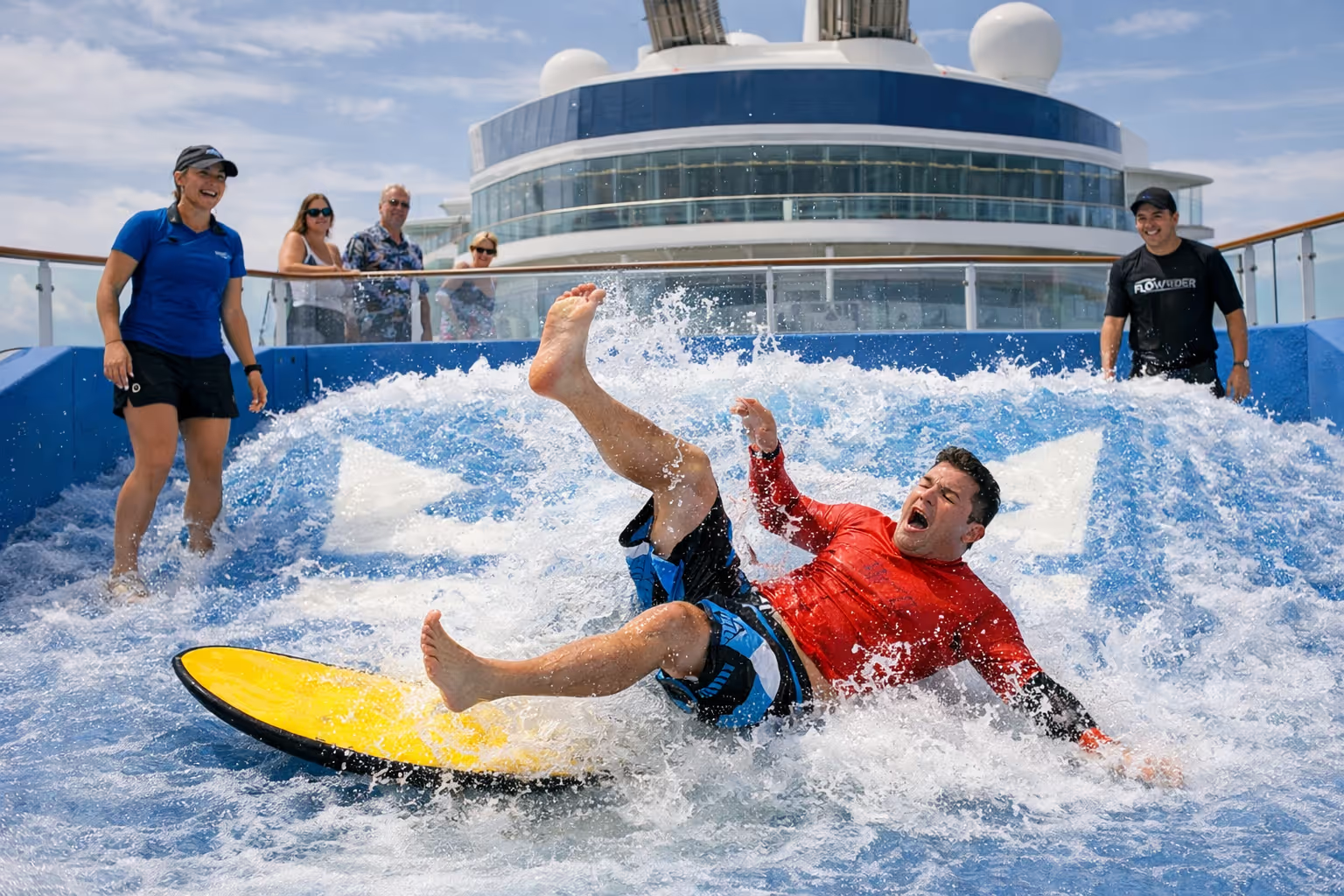
FlowRider surf simulators are popular attractions on many cruise ships, but falls can lead to serious injuries including fractures, head injuries, and spinal trauma. Learn how these cruise ship accidents happen and what passengers should know.
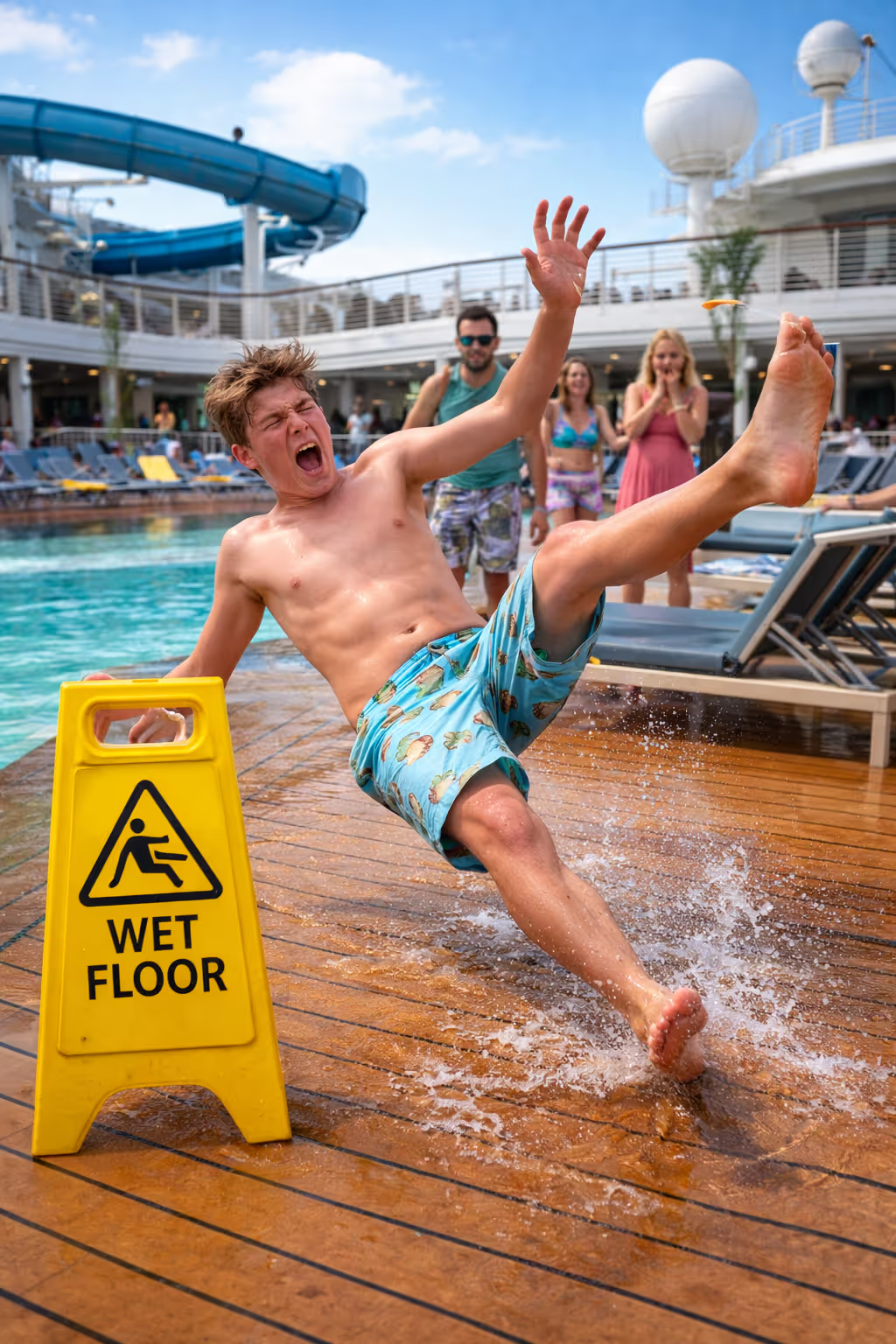
Certain areas of cruise ships present a higher risk for passenger accidents. Discover the most common locations where cruise ship injuries occur, including pool decks, stairways, recreational attractions, and tender boarding areas.
Cruise ships typically use non-slip materials, but conditions such as water buildup and wear can still create hazards.
Pool decks are generally designed to reduce slipping hazards, but conditions such as water accumulation and wear can still create dangerous situations.
Many cruise ship injury cases involve international elements, which is why it is important to work with an attorney experienced in cruise ship and maritime injury matters.
Yes. Cruise ship claims fall under maritime law and often involve strict contractual requirements.
Yes. Many pool deck accidents occur within hours of embarkation when areas are crowded and conditions are changing.
Cruise lines may be responsible for maintaining reasonably safe conditions and addressing known hazards.
Being injured on a cruise is a traumatic experience. Injuries on a cruise usually occur in international waters, and finding the right attorney when you are injuried is no easy task. Let us take the guesswork out of finding the right lawyer.